Neurodiversity is not a kindness project
Many organizations talk about neurodiversity as if it belongs mainly inside inclusion messaging. That framing is incomplete. Neurodiversity is also a performance issue. Different brains bring different advantages, different stress responses, different communication needs, and different kinds of error risk. If a company ignores that, it wastes talent. If it understands it, it gains access to capabilities that more uniform teams often miss.
This does not mean every neurodivergent person is automatically high-performing or that every difference should be romanticized. It means the relationship between ability and environment matters profoundly. A person can look disorganized in one context and brilliant in another. A person can seem “too sensitive” in a chaotic environment and become a world-class quality detector in a better-designed one.
The most mature organizations stop asking whether difference is acceptable and start asking what kind of system lets different minds become useful, sustainable, and trusted.
Different brains often create different strategic value
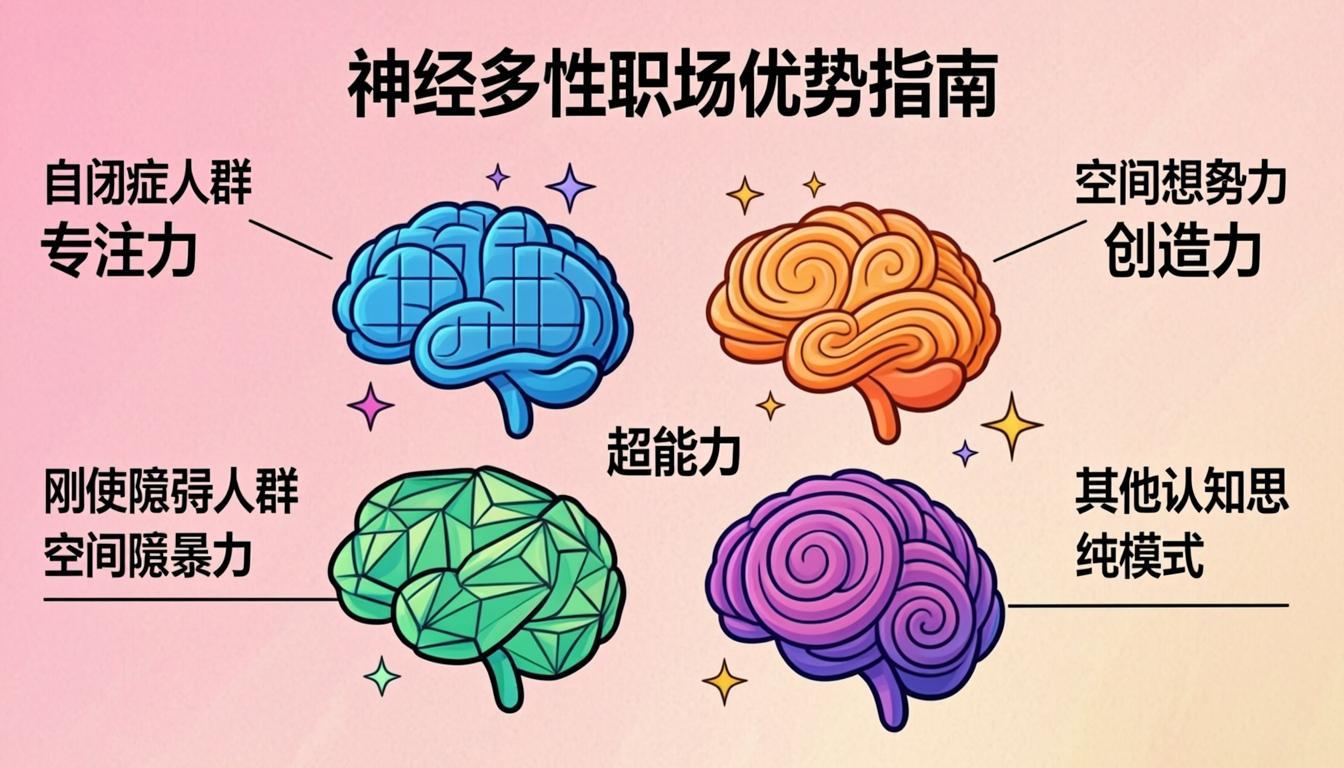
Neurodivergent patterns frequently come with real strengths that should not be treated as accidents. Some people show unusually strong pattern recognition, especially in technical systems, anomalies, or hidden inconsistencies. Others bring rapid associative thinking, novel synthesis, or crisis responsiveness. Others bring deep focus, precision, or perceptual sensitivity that makes them strong at quality, design, or research.
These differences matter commercially. Innovation often comes from people who do not process the world in ordinary ways. The same can be said for risk detection, systems redesign, content refinement, or customer-empathy insight. The value becomes visible only when companies stop forcing every contributor into the same operating model.
That means leaders need to get better at pattern-based management. The question is not “Who is easiest to manage under our current system?” The better question is “What form of value does this person create, and what support structure makes that value consistent?”
The cost of designing for only one type of worker
Most workplaces were designed around a narrow picture of professionalism: consistent energy, strong verbal recall, low sensory friction, smooth task switching, high meeting tolerance, and reliable self-management under abstract expectations. Anyone outside that template often has to spend enormous energy translating themselves into something more acceptable before their real work even begins.
That hidden energy cost matters. It reduces output, increases burnout, and makes talented people look inconsistent when the real problem is excessive friction. The cost is often especially high for people with attention regulation differences, sensory sensitivity, language-processing variation, or non-standard emotional pacing.
A more intelligent system lowers unnecessary friction. Clear written expectations, structured follow-up, quieter work conditions, flexible communication channels, and reduced ambiguity help many neurodivergent people immediately. They also improve performance for many neurotypical people. This is why inclusive design so often benefits the whole organization.
The myth that accommodation lowers standards
One of the most damaging myths in workplace culture is that support and standards sit in opposition. In reality, good support often makes high standards more reachable. If someone needs written next steps instead of verbal overload, that does not weaken performance. It often increases it. If someone needs reduced interruption to sustain high-quality work, that is not fragility. It is a rational condition for excellence.
Standards become meaningful when they are paired with delivery conditions that make success possible. A workplace that demands premium output while refusing to reduce obvious friction is not rigorous. It is inefficient and often self-congratulatory.
Neurodiversity-aware leadership does not mean lowering the bar. It means building better routes to the bar. That distinction matters because it protects both dignity and performance.
How teams become stronger when difference is legible
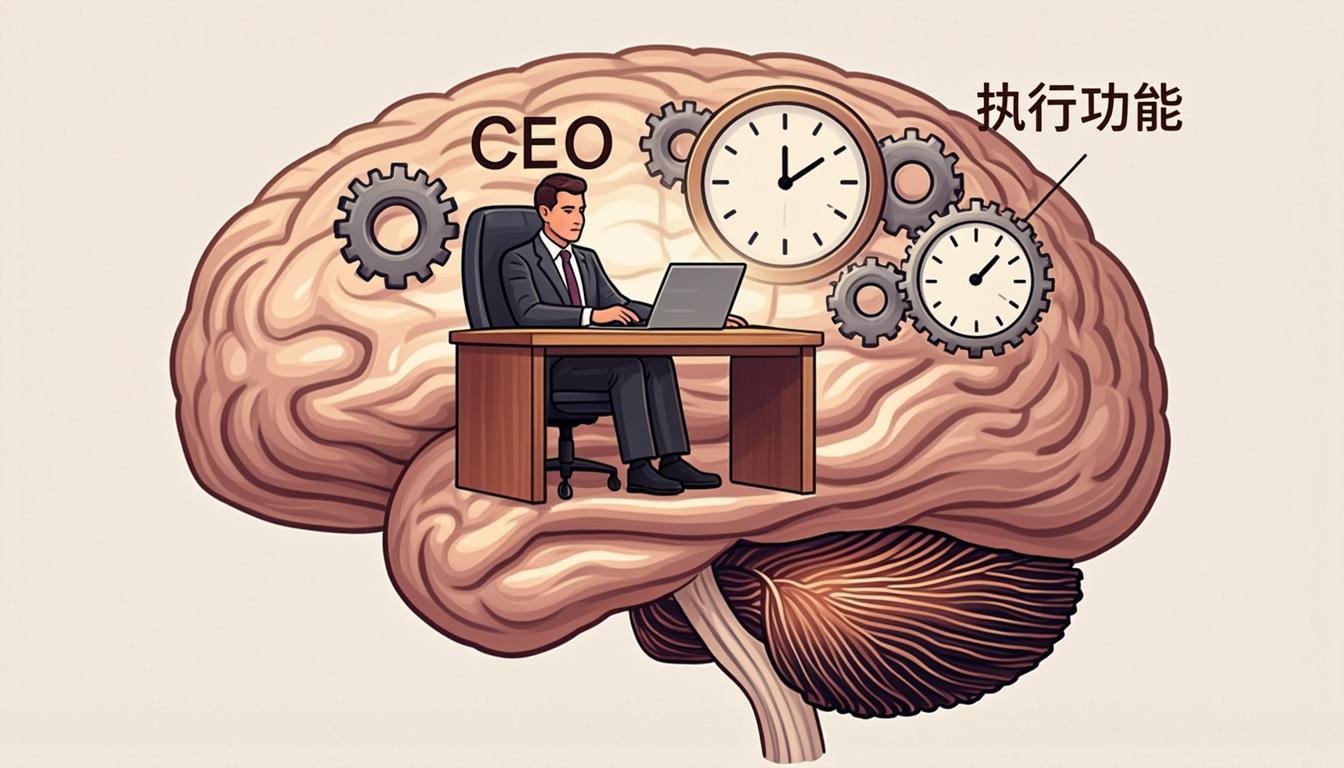
Teams improve when they understand how different people regulate attention, emotion, communication, and recovery. A direct communicator may need less subtext. A reflective processor may need more time before speaking. Someone with strong executive function may stabilize execution while someone else generates breakthrough ideas but needs more external scaffolding. A person with high sensory sensitivity may catch quality issues long before others notice them.
When those patterns are invisible, teams misread each other constantly. The fast person sees the careful person as slow. The careful person sees the fast person as reckless. The highly verbal person sees the concise person as cold. The concise person sees the highly verbal person as inefficient. Neurodiversity awareness does not erase conflict, but it makes the conflict more interpretable and therefore more solvable.
That matters especially in high-pressure environments. Under stress, people revert more strongly to their natural patterns. If the team understands those patterns in advance, it can respond with design rather than blame.
What forward-thinking companies do differently
The companies that benefit most from neurodiversity do not wait until someone is burning out to get serious. They build systems that normalize clarity, reduce needless overload, and allow different communication and work styles to remain respectable. They value output quality more than performative conformity.
They also get more sophisticated about role design. Instead of expecting one person to be equally strong at creativity, admin, meetings, follow-up, context switching, and emotional labor, they design roles and team structures that account for natural strengths and friction points. That is not only more humane. It is often more profitable.
Neurodiversity becomes a real advantage when a company stops treating it as an HR afterthought and starts treating it as an operating reality. Different minds build better companies when the company knows how to work with different minds.
What this means for leaders right now
Leaders do not need a perfect neurodiversity program before they begin improving conditions. The first step is usually simpler: notice where your current system quietly rewards one narrow work style and punishes other productive styles. Notice how often information exists only in meetings, how often urgency replaces planning, how often quiet contributors are overlooked, and how often support is offered only after performance has already collapsed.
The second step is to normalize better design. Write the next steps down. Reduce unnecessary ambiguity. Let people communicate in ways that preserve signal. Make room for deep work. Separate actual standards from cultural habits that only mimic professionalism. Build roles and teams around complementary value rather than idealized sameness.
The organizations that learn this fastest will outperform the ones that stay culturally shallow about difference. Neurodiversity is not merely about being nice to people whose brains work differently. It is about building companies intelligent enough to benefit from the full range of minds they claim to value.
Why this becomes visible in product quality and innovation
When neurodiversity is supported well, the effects are often visible in the work itself. Products become more thoughtful because more edge cases are noticed. Communication improves because assumptions are questioned earlier. Quality rises because sensory, detail, or pattern-sensitive people are allowed to contribute before preventable issues become expensive. Innovation improves because the team includes minds that do not simply reproduce the most socially acceptable version of an idea.
This is the deeper business case. Different brains expand what the company can perceive. They widen the signal range. Once leaders understand that, neurodiversity stops being framed as a burden to absorb and starts being treated as a source of strategic intelligence that should be deliberately protected and used.
What a neurodiversity-aware company looks like day to day
In practical terms, a neurodiversity-aware company often looks quieter, clearer, and more explicit in the ways that matter. Expectations are written down. Meetings are not the only place important information lives. People are not rewarded primarily for performative extroversion or their willingness to tolerate constant interruption. Managers know that one employee may need direct, compressed instructions while another needs framing and context before action becomes possible. None of that requires a grand philosophical overhaul. It requires operational maturity.
It also looks like better role honesty. Organizations stop pretending every high performer should be equally strong at admin, meetings, visibility, relationship labor, documentation, context switching, and creative problem solving. They get more accurate about what kind of work a person can carry sustainably and what kind of support turns a partial strength into a full one. That honesty is often the difference between someone being called inconsistent and someone becoming excellent.
When this becomes cultural rather than exceptional, employees spend less energy masking and more energy contributing. That is the real advantage. A company that knows how to read different brains stops wasting talent on unnecessary translation and begins benefiting from more of the intelligence it already hired.